+9163073 05873 support@silkkhazana.in
Summer sale discount upto 30%! Shop Now

Silk Khazana Presents
Chiniya Silk Saree
Everything You Need to Know
When most people think of Banarasi silk, they picture the heavy, golden-bordered Katan sarees of bridal ceremonies. But Varanasi's weaving tradition runs far deeper than a single fabric. Among its lesser-known — and deeply underappreciated — varieties is the Chiniya silk saree: a lightweight, luminous fabric with a history tied to ancient trade routes and centuries of artisan knowledge.
If you've never heard of Chiniya silk, you're not alone. Most buyers discover it only when they visit a serious Banarasi weaving house in Varanasi. This guide covers everything — from what Chiniya silk actually is, to how it's woven, what to look for when buying, and how to care for it at home.
What is Chiniya silk?
Chiniya silk takes its name from the Hindi word for Chinese — Chiniya — because the silk thread used in its weaving was historically imported from China. Specifically, it refers to a variety of raw silk yarn that is extraordinarily fine in count, producing a thread that is thinner and lighter than the mulberry silk used in traditional Katan sarees.
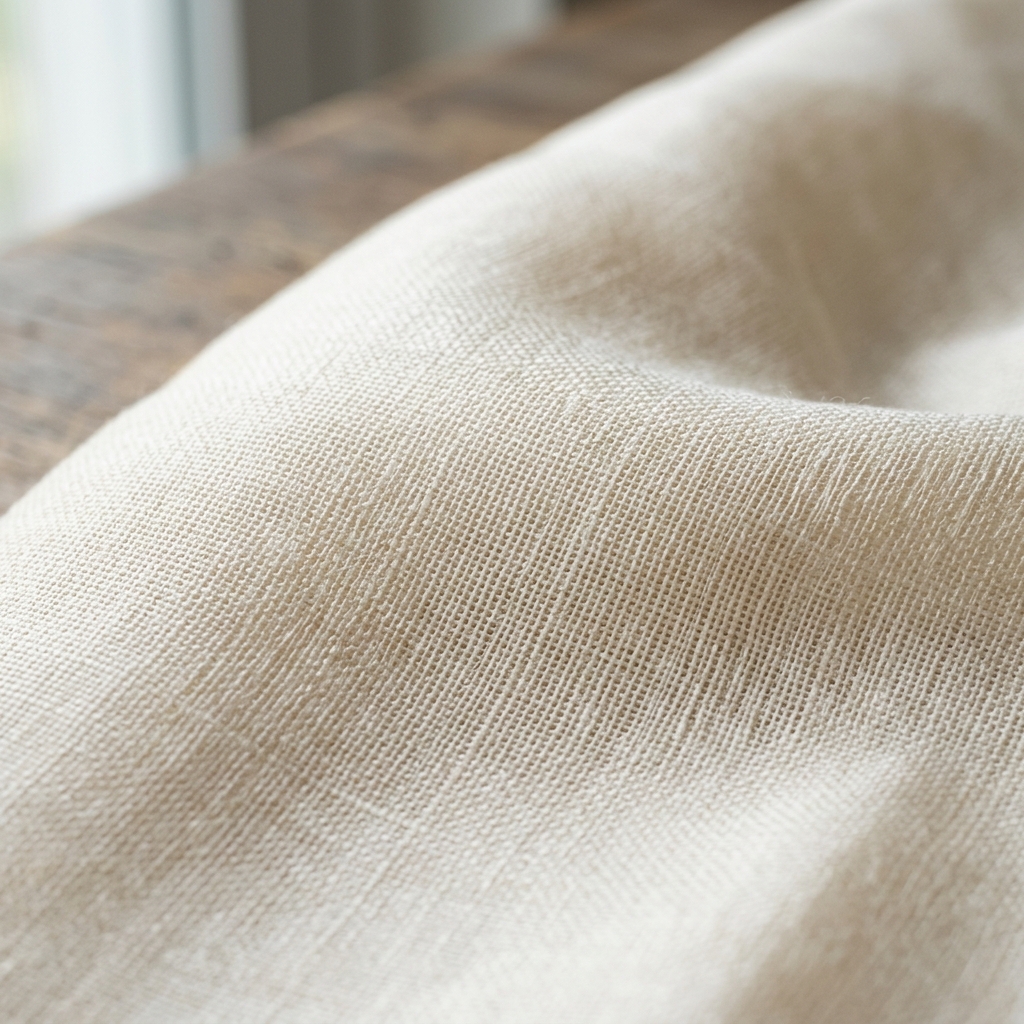
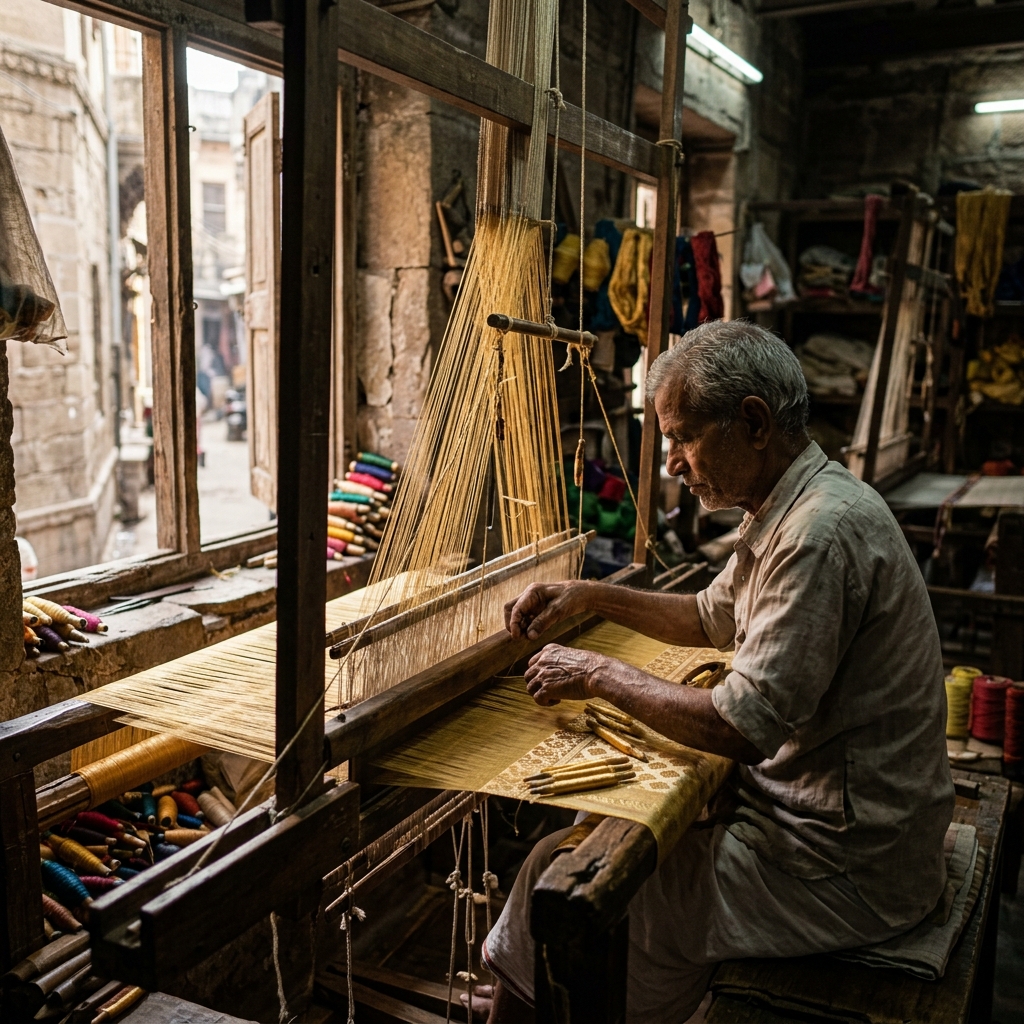
This ultra-fine thread is woven on handlooms by skilled artisans in Varanasi using the same centuries-old techniques that define Banarasi weaving. The result is a fabric that is notably lighter than Katan or Georgette Banarasi sarees, with a soft, smooth hand feel and a natural sheen that catches light differently depending on how it drapes.
Chiniya silk sarees are not powerloom products. Authentic ones are handwoven — a process that can take anywhere from a few days to several weeks depending on the complexity of the pattern.
A Brief History of Chiniya Silk
The influence of Chinese silk on Varanasi's textile tradition dates back to the Mughal era, when trade caravans brought raw silk thread from China along the Silk Road. Varanasi's weavers — already accomplished in complex brocade weaving — incorporated this finer thread into their craft, creating a new category of fabric that was distinctly lighter and more fluid than the existing Katan tradition.
Over time, the name "Chiniya" stuck, even as local sericulture developed and the original Chinese import became less central. Today, Chiniya silk refers more to the thread count and texture than to its geographic origin — though the finest examples still use imported silk known for its high-grade fineness.
This historical crossing of traditions is characteristic of Banarasi weaving as a whole: an art form built on centuries of cultural exchange, now preserved by families of master weavers in Varanasi's Jaitpura, Madanpura, and Peeli Kothi localities.
What Makes Chiniya Silk Sarees Special?
Lightweight & Breathable
Because the yarn is finer, the resulting fabric is lighter than Katan or Dupion silk. This makes Chiniya silk sarees particularly suited to warmer months and occasions where you want the elegance of silk without the weight of a heavy bridal saree.
Distinctive, Subtle Sheen
Chiniya silk does not have the intense, almost metallic luster of Katan silk. Instead, it carries a softer, more diffused sheen — luminous rather than glossy. In natural light, it has a depth and warmth that photographs beautifully.
Excellent Drape & Feel
The fine thread allows the fabric to fall smoothly and closely, making it easy to drape. Unlike stiffer silk varieties, Chiniya silk conforms naturally to movement with a smooth, silky hand feel.
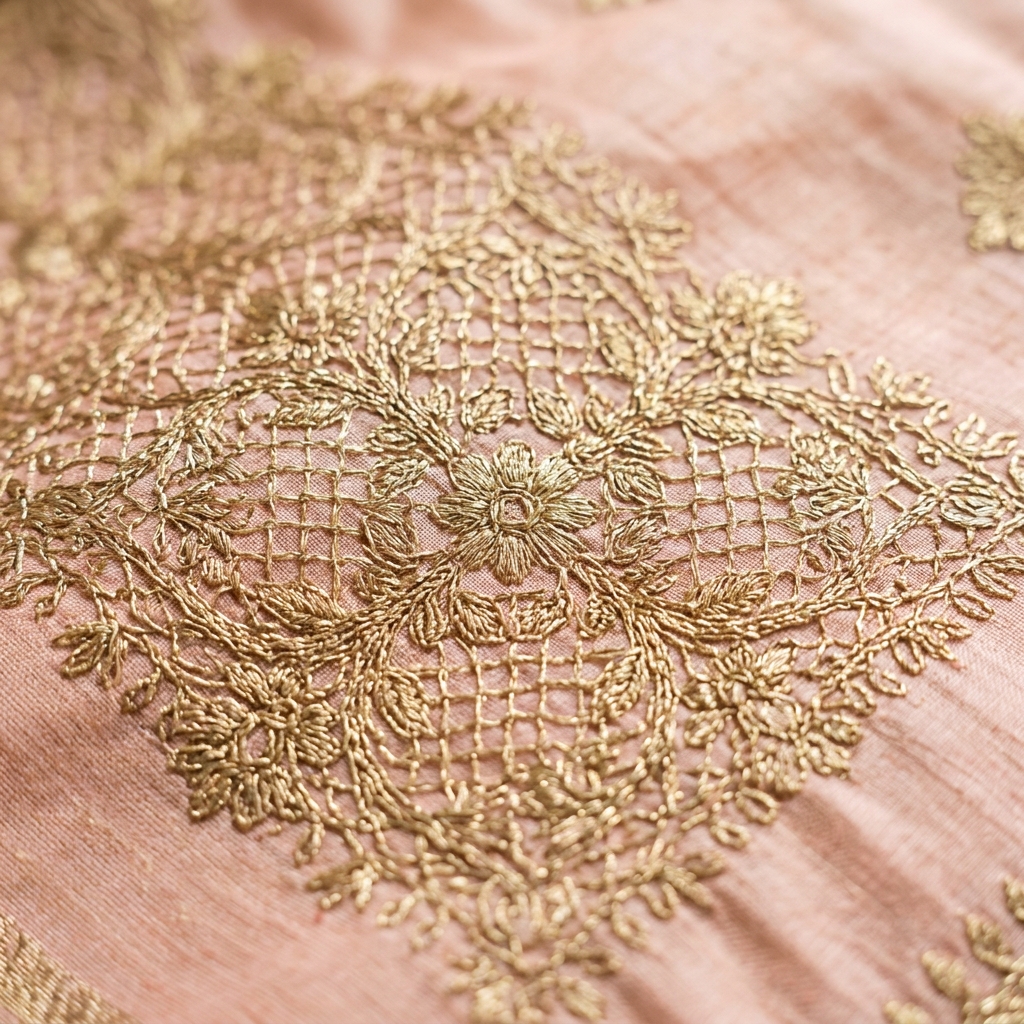
Versatile design language: Chiniya silk sarees are woven with a wide range of Banarasi motifs — from delicate butti to elaborate jaal and meenakari. Because the base fabric is lighter, the zari work tends to be more refined and delicate.
Types of Designs Found in Chiniya Silk Sarees
Varanasi's weavers apply their full repertoire of Banarasi motifs to Chiniya silk:
Butti weave: Small, repeated motifs scattered across the body of the saree. These can be simple geometric shapes, florals, or stylized paisleys. Ideal for semi-formal occasions and festive wear.
Jaal weave: An all-over lattice or net pattern that covers the entire saree body. Chiniya jaal sarees have an intricate, almost lace-like quality that is particularly striking in light or pastel colourways.
Meenakari: Multicoloured silk thread woven into the zari motifs, giving individual design elements a jewel-like quality. Among the most elaborate and visually rich.
Kadhua work: Individual motifs woven separately into the fabric using the shuttle-free technique, creating a cleaner finish on the reverse side. Considered the finest and most labour-intensive.
How to Identify an Authentic Chiniya Silk Saree
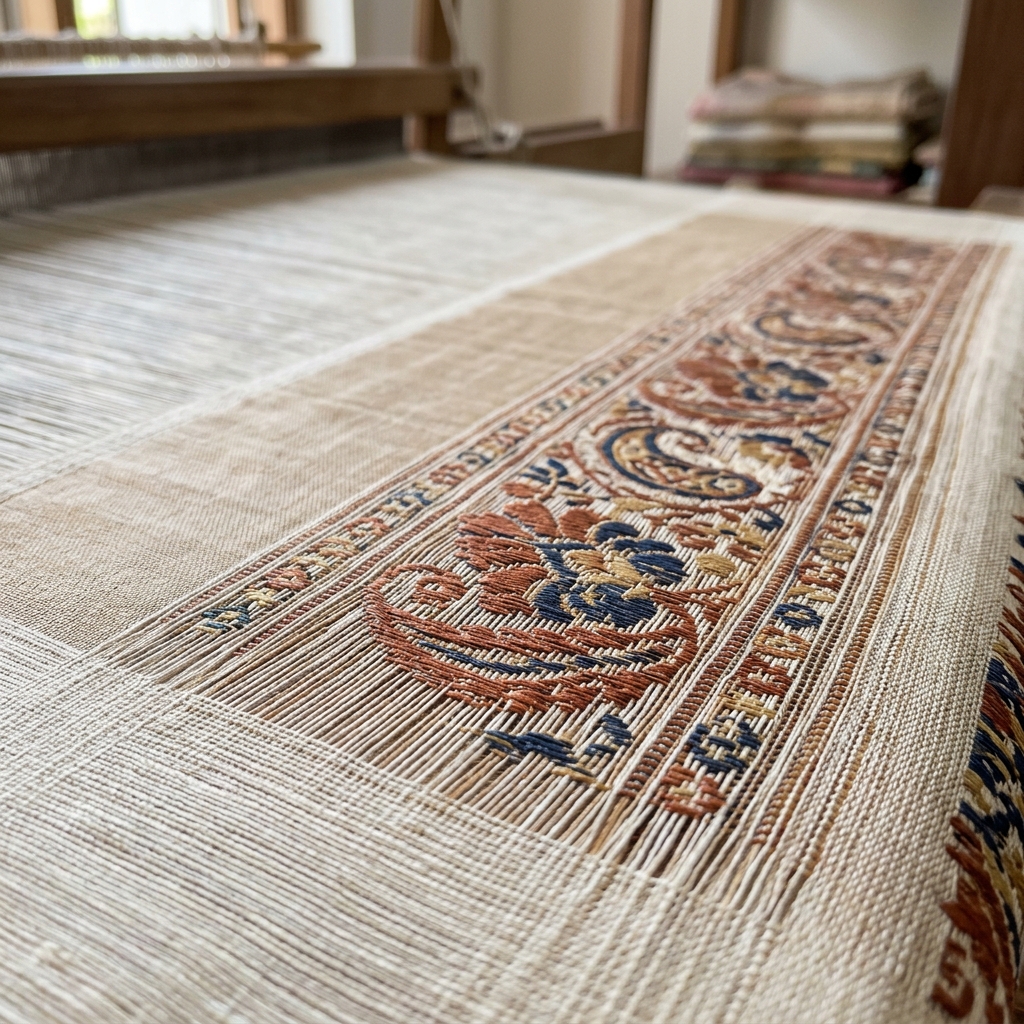
Check the reverse side: A handwoven Chiniya silk saree will have threads running neatly along the back, with no loose threads or uneven weave. The zari on the reverse should mirror the front pattern cleanly.
Look for the Silk Mark: The Silk Mark Organisation of India certifies genuine silk sarees. Ask your seller for the Silk Mark tag, which guarantees the fabric is pure silk.
Feel the weight and drape: Authentic Chiniya silk is notably light. If a saree claims to be Chiniya silk but feels heavy or stiff, it is likely a blend or a heavier silk variety.
Examine the zari: Real zari in handloom Chiniya sarees is tightly woven and has a consistent, even appearance. Powerloom zari often looks flatter and more uniform.
Buy from verified manufacturers: Purchase directly from a Varanasi-based weaving house or trusted manufacturer.
How to Style a Chiniya Silk Saree
The lightness and drape of Chiniya silk make it one of the more versatile Banarasi varieties to style:
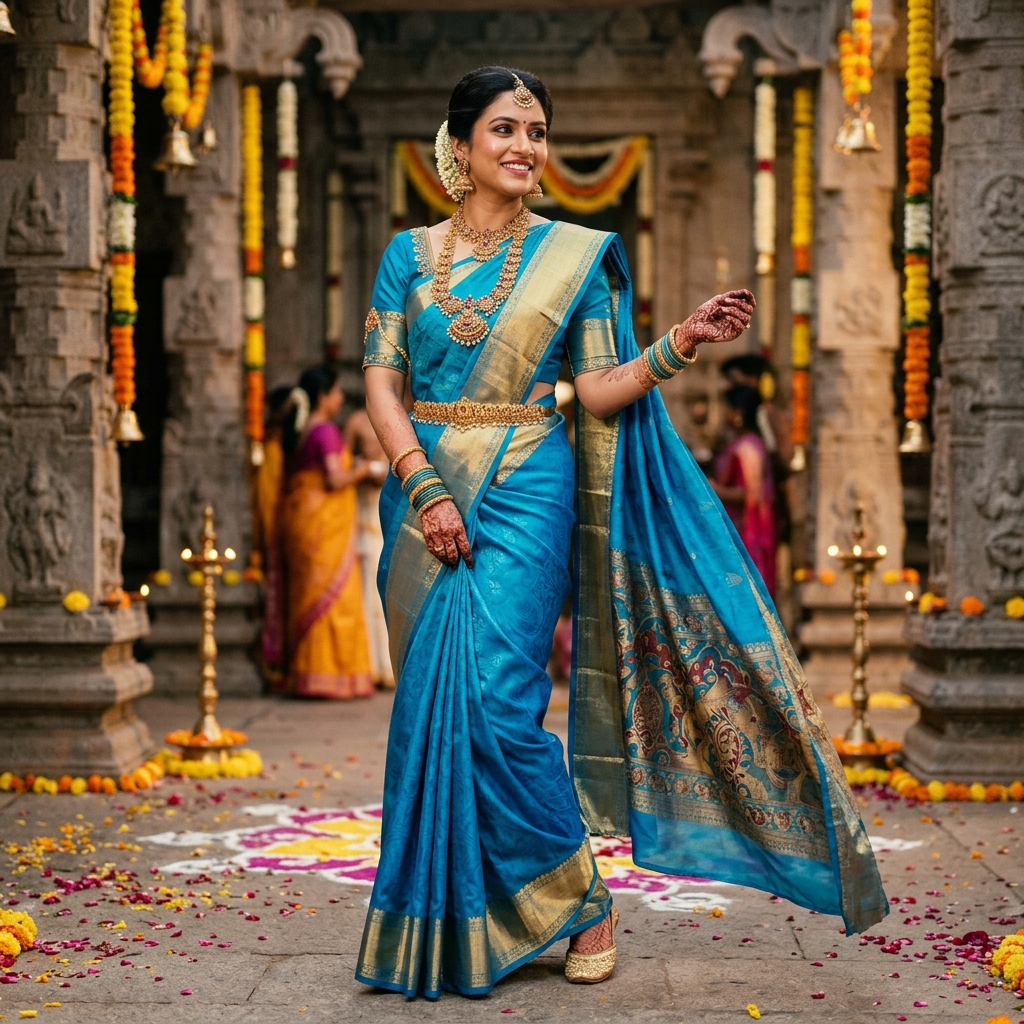
For festivals and pujas: Pair a bright Chiniya silk saree — in reds, yellows, or greens — with a contrasting silk blouse. Keep jewellery traditional: temple jewellery or gold jhumkas work well.
For weddings as a guest: Opt for jewel tones — deep burgundy, royal blue, or emerald green. Chiniya silk in these shades photographs beautifully and reads as elegant without being overdressed.
For semi-formal or office occasions: Lighter colourways — ivory, soft pink, or pale gold — with minimal butti work make excellent choices. Pair with a simple blouse and understated accessories.
For gifting: A classic colourway — red, maroon, or gold — with traditional Banarasi motifs makes a thoughtful and meaningful gift for special occasions.
How to Care for a Chiniya Silk Saree
Because Chiniya silk is fine and lightweight, proper care ensures it stays pristine for years:
Dry clean only for the first few wears: For new sarees, especially those with heavy zari work, dry cleaning is the safest option until you are confident about the fabric's stability.
If hand washing: Use cold water and a very mild, pH-neutral detergent. Submerge gently — do not rub or wring the fabric. Rinse once in clean water and allow to drip dry in shade.
Never machine wash: Machine washing damages both the silk fibre and the zari work.
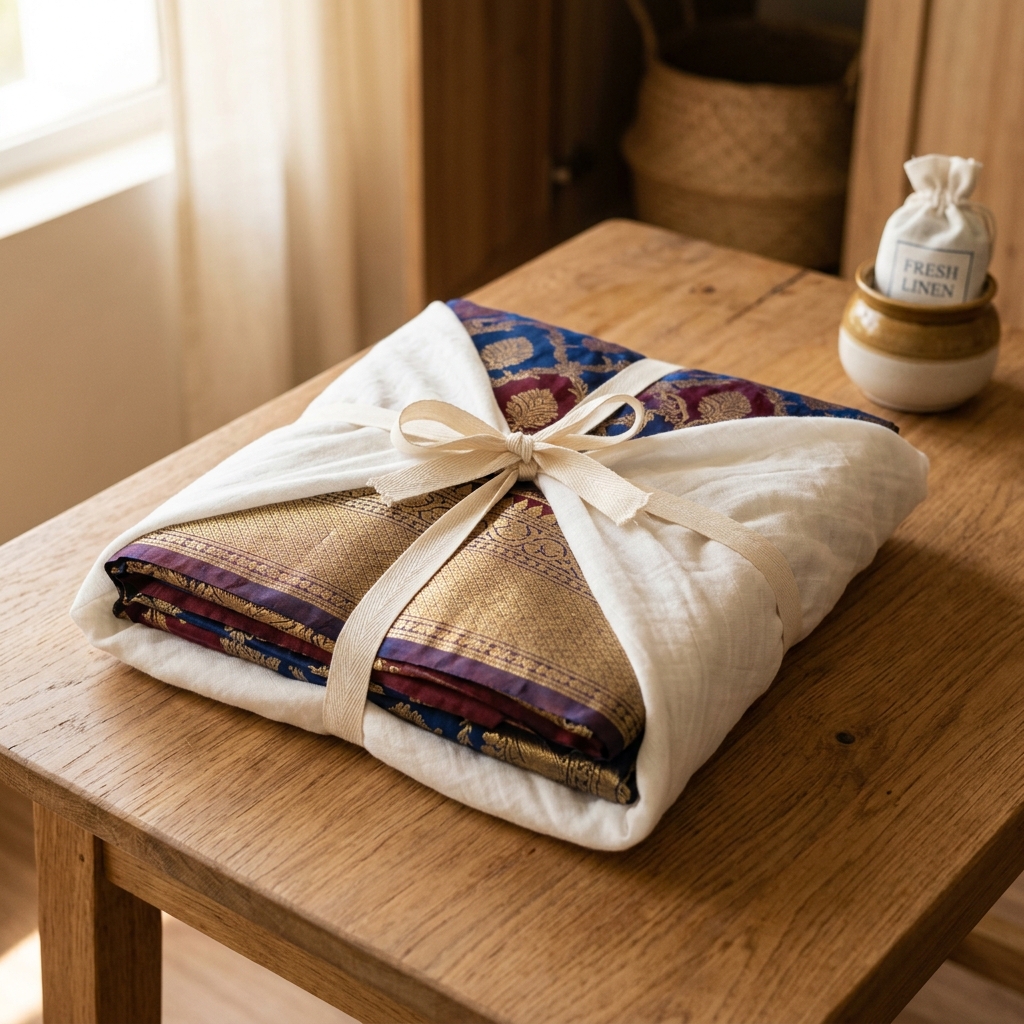
Store correctly: Fold along existing creases, wrap in a muslin cloth, and store flat. Avoid plastic bags. Air the saree every few months to prevent mustiness.
Ironing: Use a low-heat iron on the reverse side, with a thin cloth between the iron and the saree. Never iron directly on the zari.
Where to Buy Authentic Chiniya Silk Sarees in Varanasi
Silk Khazana is a Varanasi-based manufacturer and retailer of authentic Banarasi silk sarees, including Chiniya silk, woven directly by skilled artisans using traditional handloom techniques. Because there are no middlemen in the supply chain, the pricing reflects the actual weaving cost — not inflated retail margins.
For customers who cannot visit Varanasi, Silk Khazana offers a live video shopping experience: a real-time video call where you can examine the fabric, zari work, colour, and drape before purchasing. This is particularly valuable for NRI and international buyers who want the authenticity of buying from Varanasi without the uncertainty of purchasing blind online.
Silk Khazana ships across India and internationally to the USA, UK, Canada, Australia, UAE, Singapore, and other countries, with secure packaging and dedicated customer support before and after purchase.
Explore the Chiniya Silk Saree collection at silkkhazana.in.
Frequently Asked Questions
What is the difference between Chiniya silk and Katan silk? +
Katan silk is woven from a tightly twisted, heavier mulberry silk thread, producing a firmer, weightier fabric with an intense lustre — it is the traditional choice for heavy bridal Banarasi sarees. Chiniya silk uses a finer, lighter thread, resulting in a softer, more breathable fabric with a subtler sheen. Katan is heavier and more structured; Chiniya is lighter and more fluid.
Is Chiniya silk saree suitable for summer? +
Yes. Because the thread is finer and the weave less dense, Chiniya silk is one of the better Banarasi choices for warmer weather. It is significantly lighter than Katan or Dupion silk sarees.
How much does a Chiniya silk saree cost? +
Price depends on the complexity of the weave, the quality of the zari, and whether it is handloom or powerloom. Authentic handloom Chiniya silk sarees from Varanasi manufacturers typically start from around ₹4,000–₹6,000 for simpler designs, and can go higher for elaborate meenakari or kadhua work.
How do I verify that my Chiniya silk saree is genuine? +
Look for the Silk Mark tag, examine the reverse side for clean handloom weaving, and if possible, purchase directly from a Varanasi-based manufacturer or verified weaving house. Avoid unmarked sellers on unverified platforms.
Can Chiniya silk sarees be worn for weddings? +
Chiniya silk is well-suited for wedding guests and for ceremonies like mehendi, haldi, or sangeet. For the bride's main wedding look, heavier Katan or Real Zari sarees are the traditional choice — though lighter bridal Chiniya sarees with elaborate meenakari or kadhua jaal work can also make a striking choice.
How should I store a Chiniya silk saree? +
Wrap in a soft muslin cloth, store flat or loosely rolled, and keep in a cool, dry place away from direct light. Air the saree every few months. Avoid plastic wrapping, which traps moisture and can damage silk fibres.